
I’ve finished Episode 1 of Netflix’s new adaptation of One Hundred Years of Solitude by Gabriel García Márquez. I watched raptly with my book in hand, pausing frequently to sleuth out exactly where Episode 1 drew from the original text. I geeked out hard and came away with lots of book-to-screen observations. Here are ten reflections on Netflix’s version of this story, set in relief against García Márquez’s original.
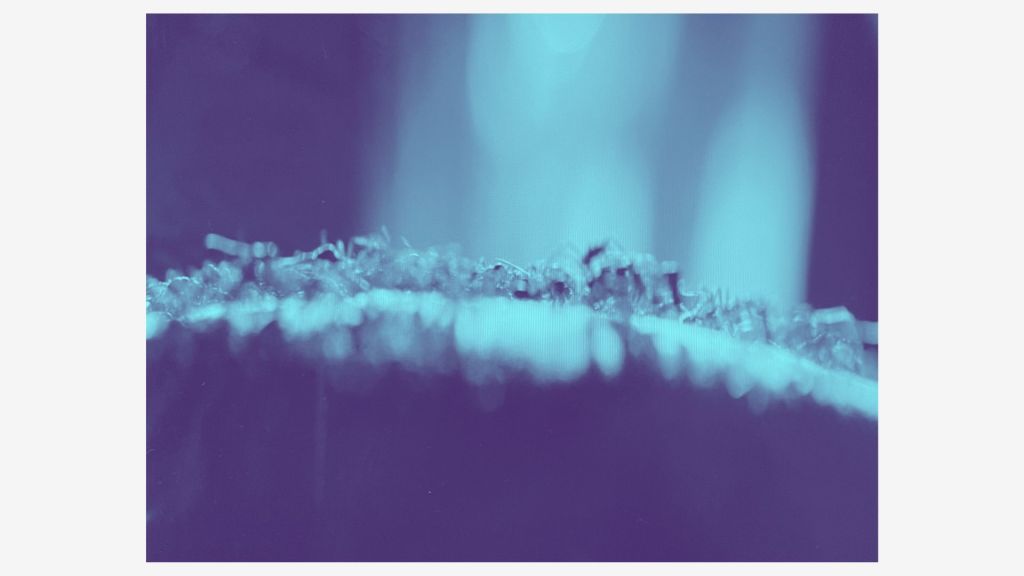
1. Whoa, That Opening Foreshadowing!
The opening minutes of the adaptation gave me chills. The corpse, the empty basinet, the ants, the man opening the old tome in the decrepit room are all details from the sad ending of García Márquez’s novel1. I did not expect the adaptation to open with foreshadowing like that, mainly because the book doesn’t. The filmmakers’ decision to open with foreshadowing like this wowed me.
2. Including A Family Tree Before the First Line is Uttered (-102:28)
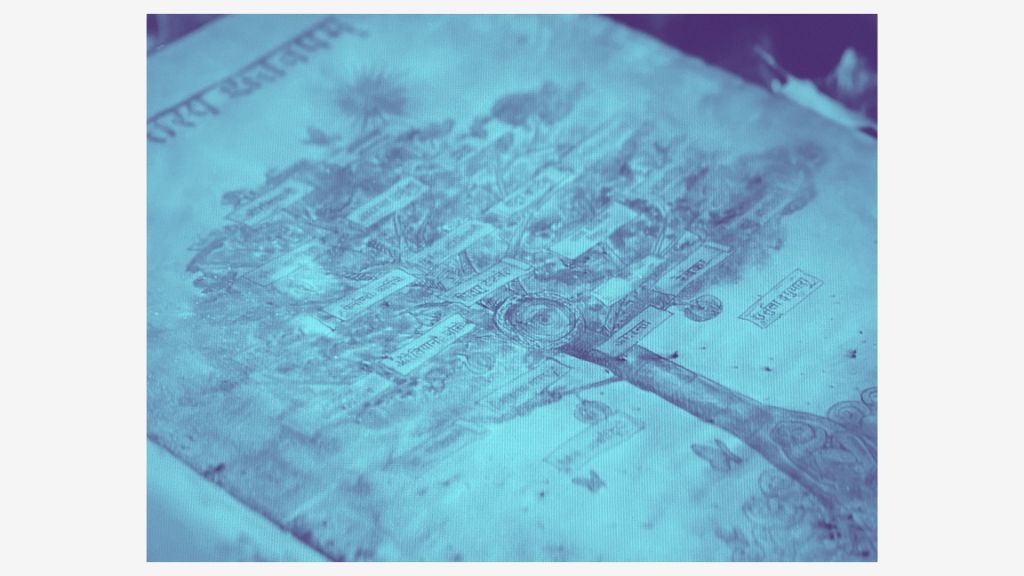
It’s momentary, but there’s a family tree shot when the adaptation opens. I thought this was a cool detail because, in the physical book, there’s a family tree printed in the very beginning too.
3. One of José Arcadio Buendía’s Lines Gets Softened in The Adaptation (-51:14)

I loathe José Arcadio Buendía’s treatment of Úrsula in this story. Prime example: José blames Úrsula for a murder he commits to her face and then orders her to consummate their marriage.
In the adaptation, this sequence of events gets softened a little. On screen, the post-murder coerced sex comes off a little less violent (and more erotic) than in the book. On the page, these moments are just deeply uncomfortable. On that same note, José Arcadio’s damning line from this scene gets softened in the Netflix adaptation. Take a look.
ORIGINAL LINE FROM BOOK – He blames Úrsula 100%.
“If you bear iguanas, we’ll raise iguanas,” he said. “But there’ll be no more killings in this town because of you.”
NETFLIX SERIES LINE EDIT – Takes 50% of the blame.
“If you bear iguanas, we’ll raise iguanas. But there’ll be no more killings in this town because of the two us.“
4. The Magistrate Acquittal Scene (-49:08)
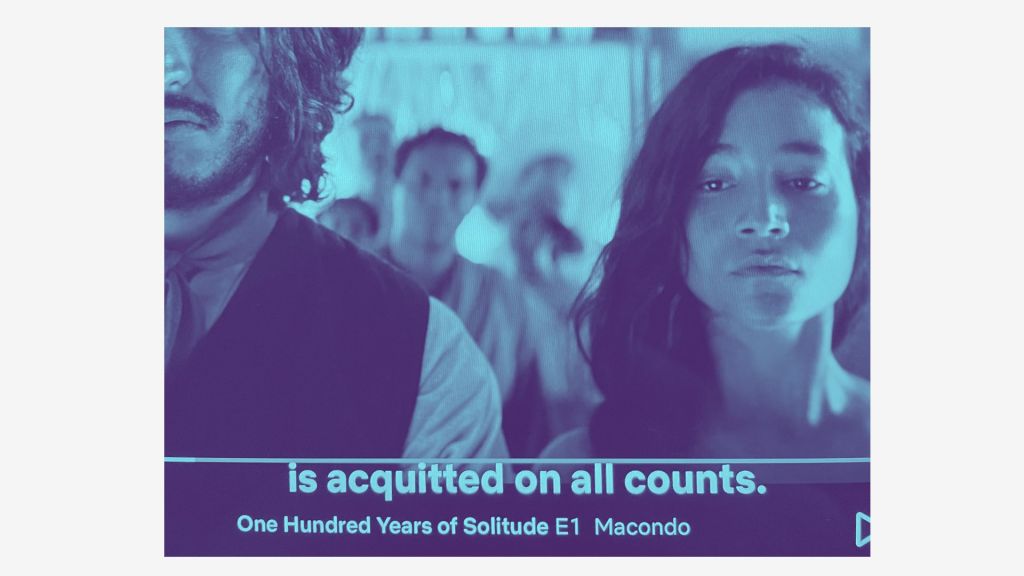
In the book and in the adaptation, José Arcadio is acquitted of Prudencio Aguilar’s murder. The difference between the text and the series is that the series has a whole scene for it. On the page, there’s just one sentence.
“The matter was put down as a duel of honor, but both of them were left with a twinge in their conscience.”
ORIGINAL QUOTE FROM THE BOOK (page 22)
5. Úrsula Being Carried in a Hammock (-39:20)
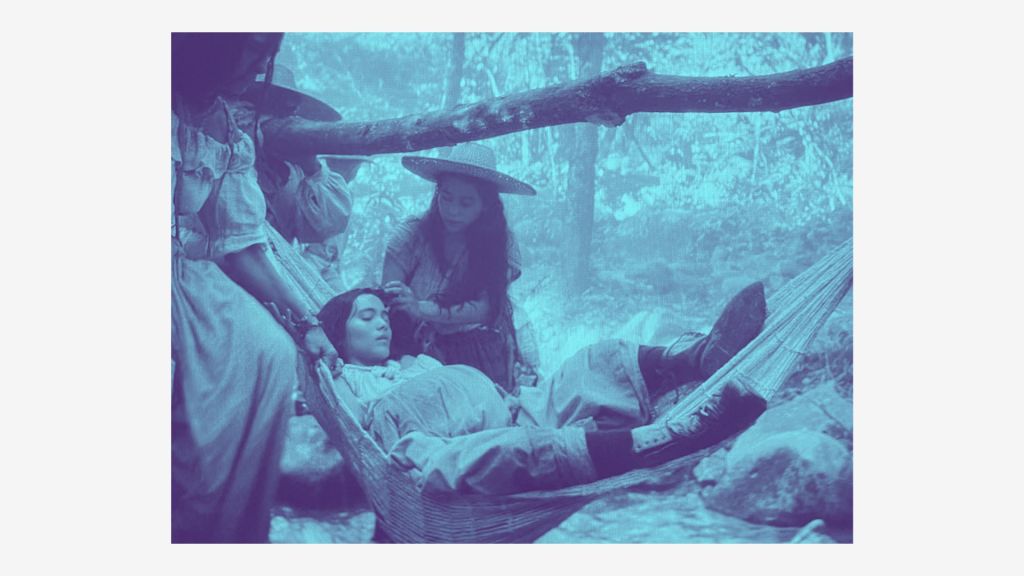
In the book, traveling on foot while pregnant takes a gruesome toll on Úrsula’s body. She physically cannot walk herself. The filmmakers do not depict what happens to her legs, but they do show her being carried in a hammock, which is a detail straight from the book.
“She had traveled half of the trip in a hammock that two men carried on their shoulders, because swelling had disfigured her legs and her varicose veins had puffed up like bubbles.”
ORIGINAL QUOTE FROM THE BOOK (page 24)
6. Narration at the Halfway Point Comes from the Novel’s Page One (-29:47)

The second and third sentences from the book are slightly edited and turned into the narration that’s used at the halfway point of the episode (when Macondo is newly established and thriving).
You can check out the comparison between the original text and Netflix’s line edits below.
ORIGINAL OPENING LINES FROM BOOK
“At that time Macondo was a village of twenty adobe houses, built on the bank of a river of clear water that ran along a bed of polished stones, which were white and enormous, like prehistoric eggs. The world was so recent that many things lacked names, and in order to indicate them it was necessary to point.”
THE NETFLIX SERIES’ LINE EDITS
“
At that timeMacondowasgrew into a village of twentyadobeclay and reed houses, built. They stood on the bank of a riverofwhose clear waterthatran along a bed of polished stones, which were white andEnormous, beautiful, white stones like prehistoric eggs. The world was so recent that many things lacked names, andin order to indicate them it was necessary to point.the only way to refer to them was by pointing.”
7. Foreshadowing of Pilar’s & José Arcadio II’s Relationship (-29:16)
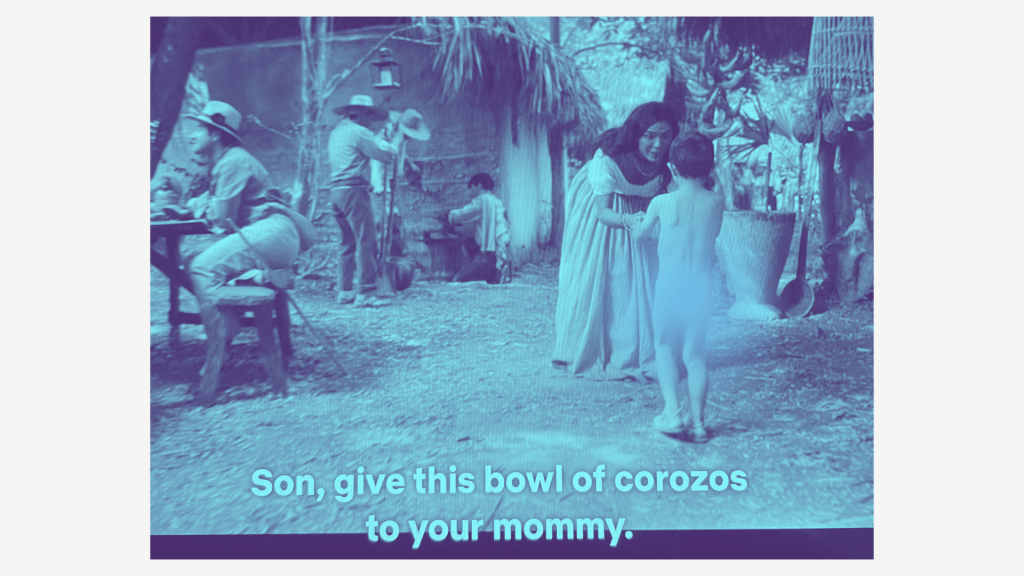
José Arcadio II, who looks to be 5 or 6, runs through the newly established and thriving village of Macondo butt naked. At one point, José Arcadio II is flagged down by a woman in a pink skirt. I’m pretty sure this character is Pilar Ternera, played by Viña Machado. Pilar hands him a bowl of fruit, which I can only interpret as foreshadowing. Because when José Arcadio grows up he will father one of Pilar’s children (and his yet-to-be-conceived little brother Aureliano will father her other child). So, this fruit handoff is symbolic of the fruitfulness, aka childbearing, to come.
As far as I know, this fruit exchange moment between Pilar and José Arcadio II does not happen in the book.
8. The Spanish Galleon Scene (-11:39)
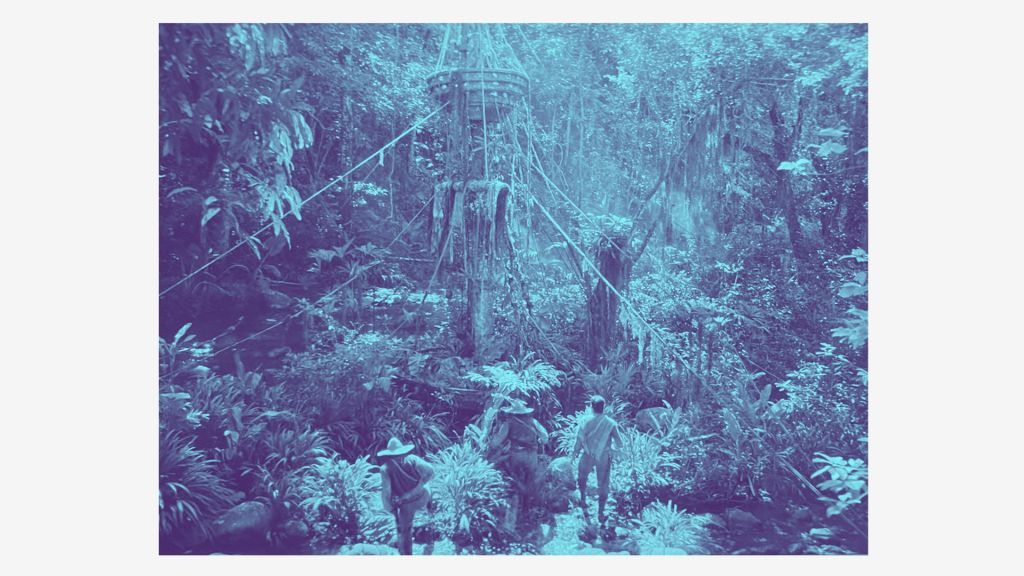
Episode One did not capture how ethereal and spooky the Spanish galleon scene was for me as a reader. José Arcadio and the other two characters didn’t go inside, which means they didn’t see “the thick forest of flowers” (page 12) growing inside the hull. I wanted that moment from the book to come to life! Overall, from the adaptation’s galleon scene, I didn’t get the sense of magic, despair, and enchantment that comes through in the book. That said, they absolutely nailed José Arcadio’s disappointment at the accidentalness of the ocean discovery, complete with depicting his first glimpse of the beach as totally meh instead of majestic. In the book, just like in the adaptation, José Arcadio gazes at an uninspiring “ashen, foamy, dirty sea” (page 13).
9. Aureliano Weeping in the Womb (-8:51)
At 8:51 remaining in Episode 1, Úrsula, pregnant with baby number two, hears her unborn son crying. He’s in utero. It’s the middle of the night. She wakes up José Arcadio, so he can hear the crying from inside her womb too. This fully fleshed out scene does not exist like this in the original text, but the creators of the adaptation found inspiration for it from this single sentence:
“He had wept in his mother’s womb and had been born with his eyes open.”
ORIGINAL QUOTE FROM THE BOOK (page 15)
10. The Last Lines of Episode One

Most of Episode 1 aligns with events from the first 2 chapters of the book. To get the last lines for Episode 1: Macondo, Netflix’s adaptation team had to reach way ahead in the text, pulling lines that are printed in chapter 7, about 100 pages beyond where most of Episode 1’s material comes from. I love that they made this decision! It’s an interesting choice that works so well in the adaptation.
“Since the beginning of adolescence, when he had begun to be aware of his premonitions, he thought that death would be announced with a definite, unequivocal, irrevocable signal, but there were only a few hours left before he would die and the signal had not come.”
ORIGINAL QUOTE FROM THE BOOK (page 128)
- The corpse is Amaranta Úrsula who dies in childbirth at the end of the book. The empty basinet represents Aureliano III, who dies not long after birth too. The red ants are a gruesome, creepy detail from the end of the book that I don’t want to type out here. The shadowy man is Aureliano II, the last surviving member of the Buendía family and the end of the line. ↩︎
 Annotate With Sara